Your Medication Is Working. Now Let's Make Sure Your Body Keeps Up.
You're here because your clinic wants you to win — not just lose weight, but come out of this process stronger, leaner, and healthier than when you started.
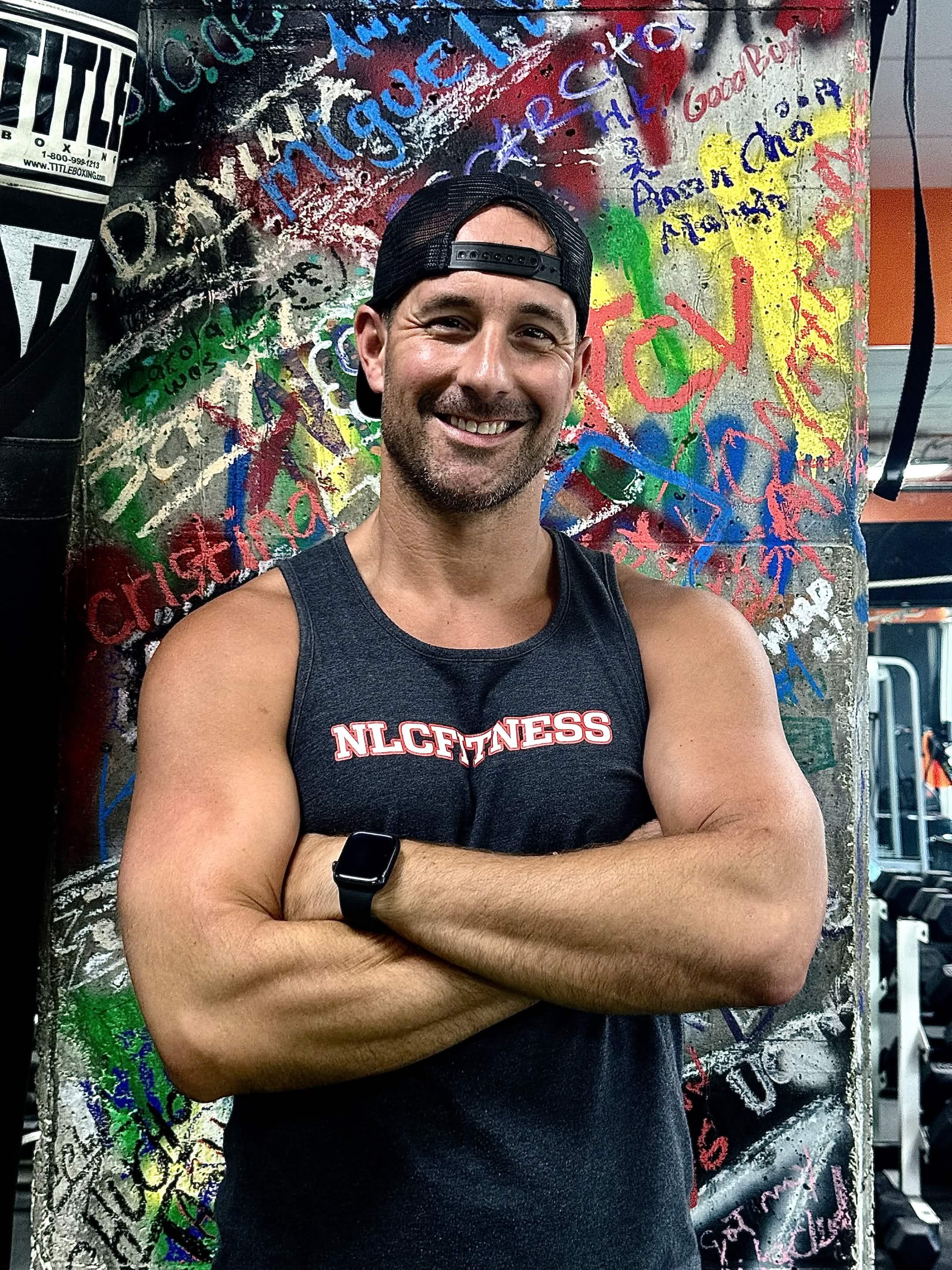
Nick Kempen — @GLPNick
Fitness & Health Specialist · 25+ years · Miami, FL · GLP-1 Support
✅
What your medication does
Reduces appetite. Creates the caloric deficit. The weight loss part — that's working.
⚠️
What your medication doesn't do
Tell your body to hold onto muscle. Protect your metabolism. Build lasting habits.
What You'll Find Here
🧬
Why This WorksThe science behind muscle loss on GLP-1s — and how to stop it
🏋️
Your Training ProtocolBeginner + Intermediate resistance programs built for patients like you
🥩
Nutrition GuidelinesHow to hit your protein when you're never hungry
👤
About NickWho I am, where to find me, how to reach out
📈
Want to Go Deeper?Get a fully personalized program built around your goals
📬
Monthly NewsletterIssue #1 — What to expect, side effect tips, and more
Start with the next page. Five minutes of reading could change the entire outcome of your journey.
Page 02 — Why This Works
The Thing Your Prescriber Didn't Have Time to Tell You
Your medication is doing exactly what it's supposed to do. But here's what most patients don't find out until it's too late.
⚠️ The scale doesn't know the difference between fat and muscle. When your body is in a caloric deficit — which is exactly what GLP-1s create — it loses both.
40%
of weight lost on GLP-1s can be lean muscle — without resistance training
🔥
Muscle = your metabolism. Lose it, and your body burns fewer calories at rest
Why Losing Muscle Is a Bigger Problem Than You Think
Muscle is your metabolism. The more lean muscle you carry, the more calories your body burns at rest. Lose muscle and your metabolism slows. That means:
Weight loss stalls even while still on medication
The second you reduce dose or stop — the weight comes back fast
You feel weaker, more fatigued, and less capable than before you started
What Peptide Patients Need to Know
If you're on GH-stimulating peptides (CJC-1295, Ipamorelin, AOD-9604), resistance training isn't optional — it's what activates the full benefit of what you're taking.
Peptides + resistance training Your body actually changes.
Peptides without training Expensive medication. Partial results.
The Good News
This is 100% preventable — at any stage of your journey. Three things protect your muscle and make results permanent:
1️⃣
Resistance Training
3–4 sessions per week of progressive strength work
2️⃣
Protein Intake
0.7–1.0g per pound of bodyweight, prioritized at every meal
3️⃣
Consistency
You don't need to be perfect. You need to show up.
Page 03 — Training Protocol
Your Training Protocol
Built specifically for GLP-1 & peptide patients. Not a bodybuilder program — a muscle preservation and body recomposition protocol.
Before You Start — The Rules
Progressive overload is the goal. Every week, try to do a little more than last week.
Effort over ego. Use a weight that challenges you in the last 2–3 reps of each set.
Protein before anything else. Hit your protein target every day. Training without protein is building a house without materials.
Consistency beats intensity. 3x/week every week beats going all-out once and burning out.
Which Level Are You?
🟢 Beginner
Haven't trained consistently in 6+ months
New to resistance training
Unsure about form on most exercises
Dealing with low energy or fatigue
🔵 Intermediate
Training consistently for 6+ months
Comfortable with major compound lifts
Want more volume and higher challenge
Beginner Program
3 Days/Week · Full Body · ~45 min
Best days: Mon / Wed / Fri or Tue / Thu / Sat — at least one rest day between sessions.
Day A — Push + Legs Focus
Exercise
Sets
Reps
Rest
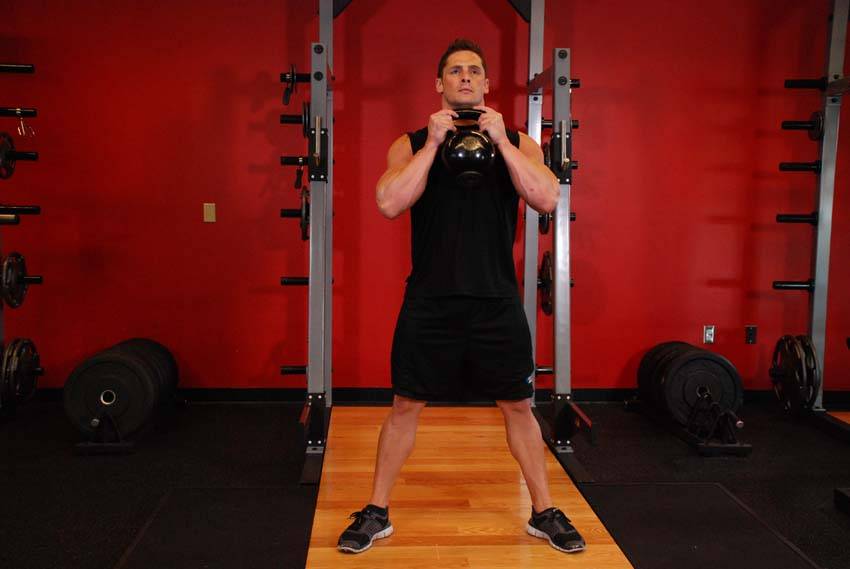
Goblet Squat
3
10–12
60 sec
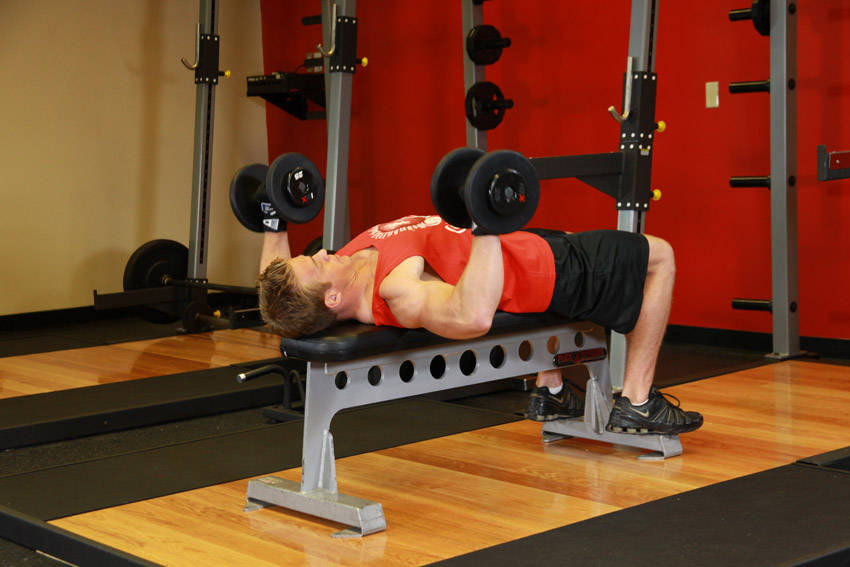
DB Bench Press (or Push-Up)
3
10–12
60 sec
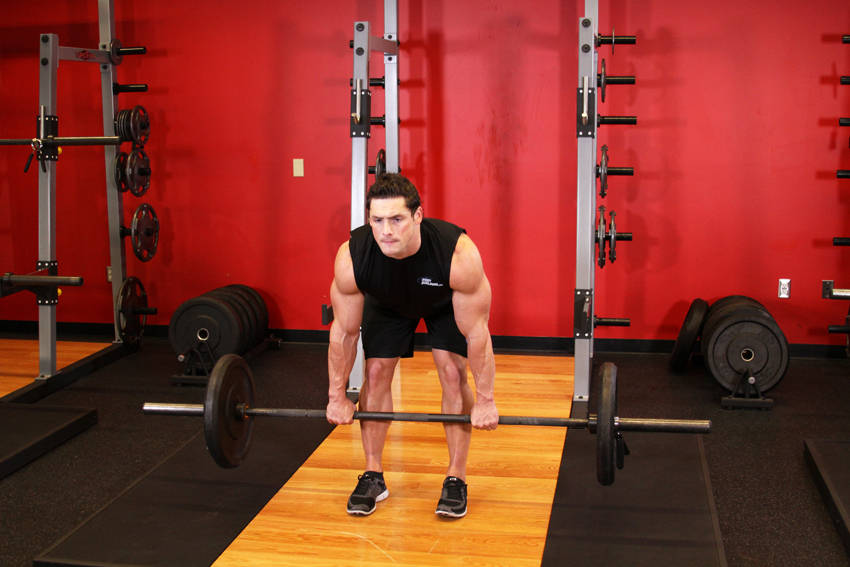
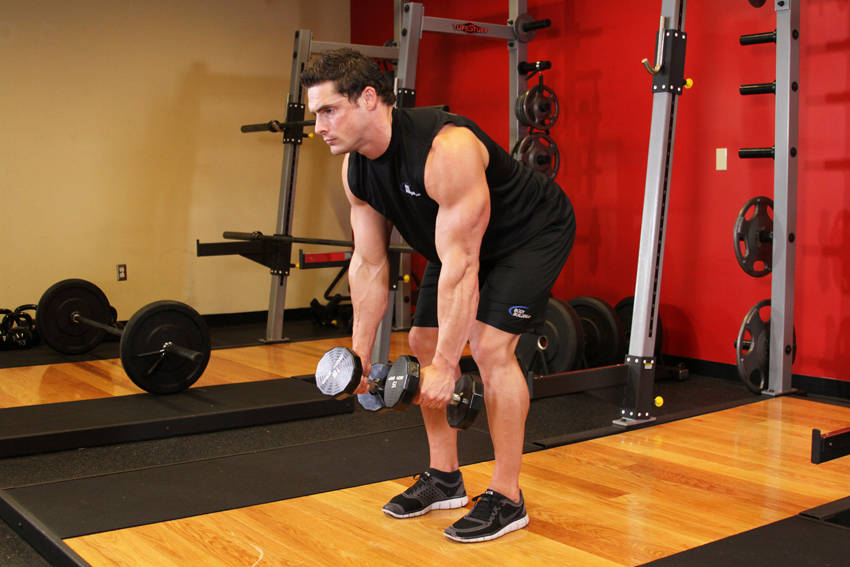
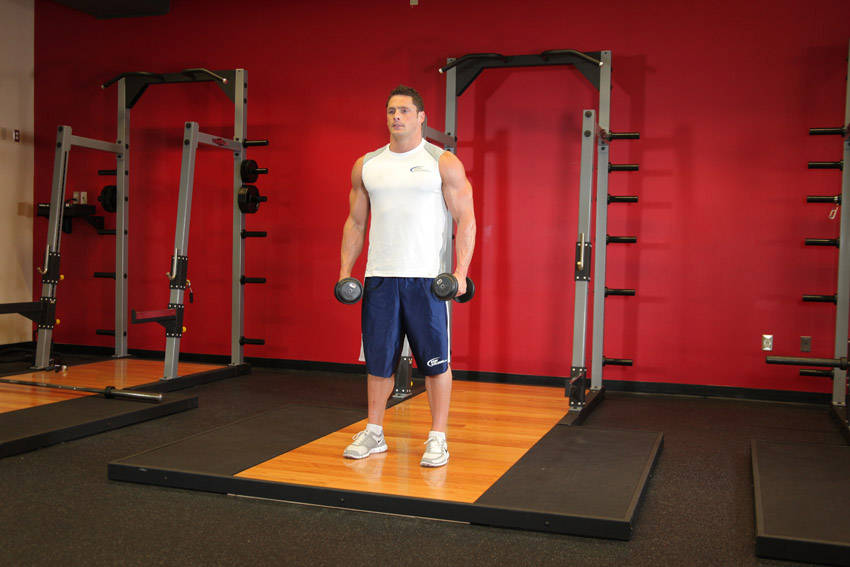
DB Romanian Deadlift
3
10–12
60 sec
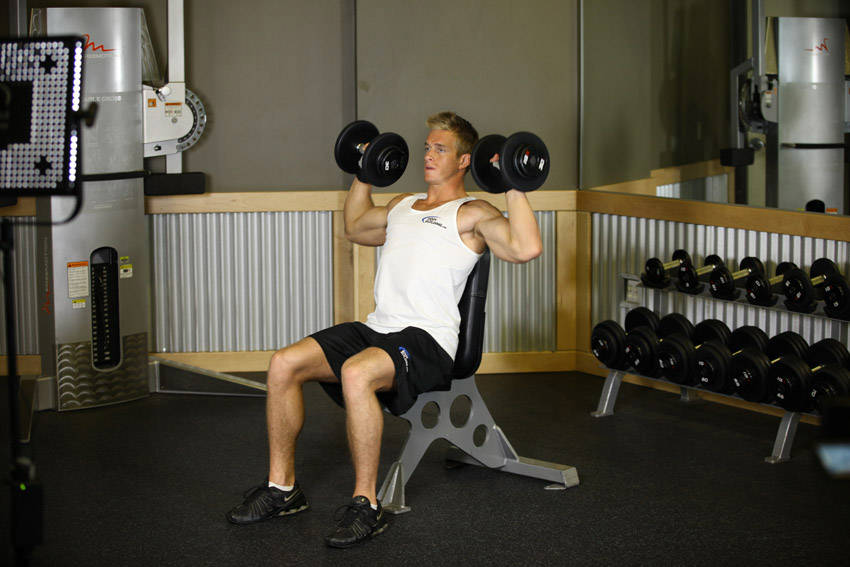
Seated DB Shoulder Press
3
10–12
60 sec
Plank Hold
3
30 sec
45 sec
Day B — Pull + Core Focus
Exercise
Sets
Reps
Rest
DB Row (each arm)
3
10–12
60 sec
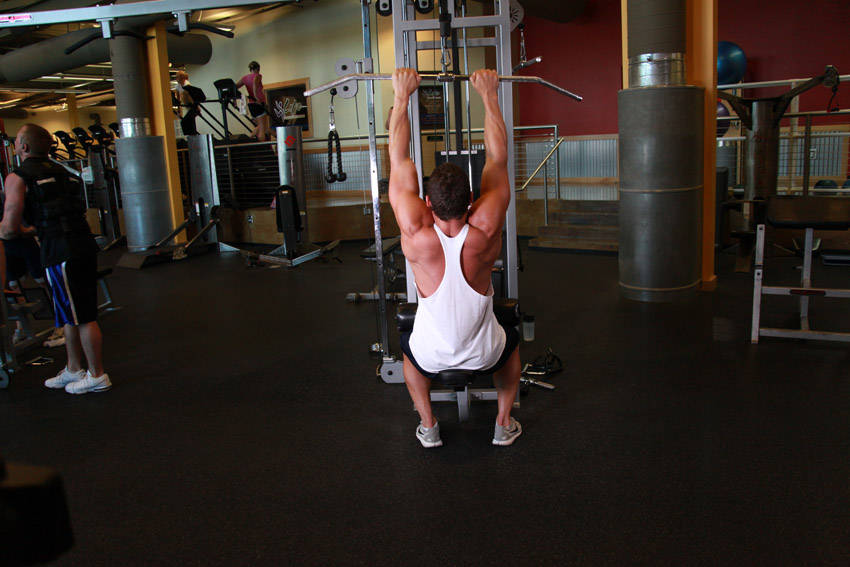
Lat Pulldown (cable or band)
3
10–12
60 sec
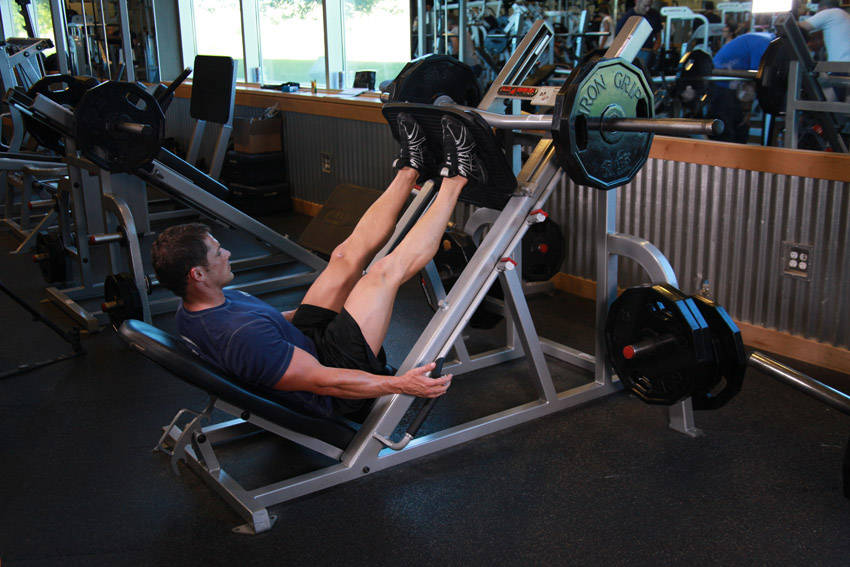
Leg Press or Split Squat
3
10–12
60 sec
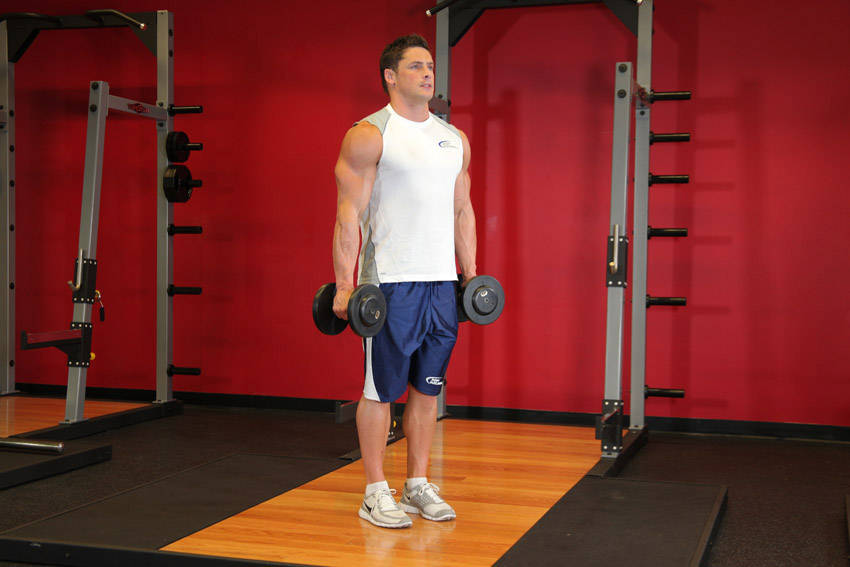
DB Curl
3
12
60 sec
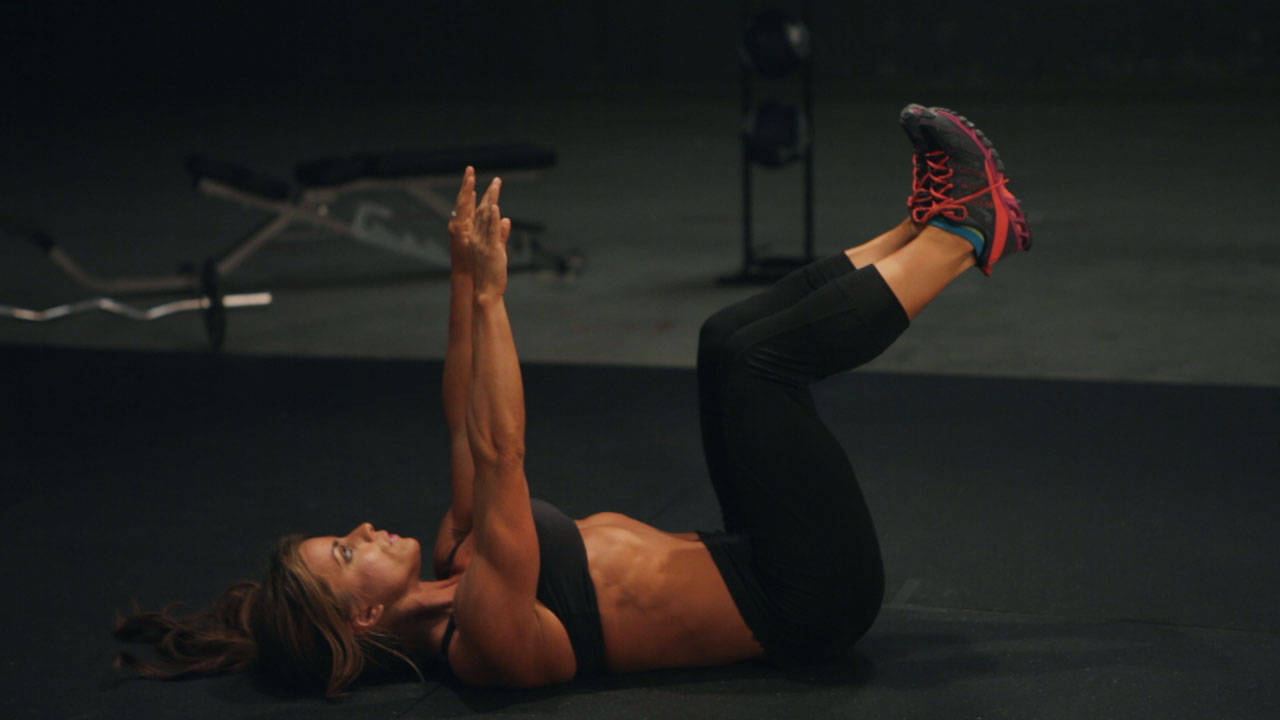
Dead Bug
3
8 each side
45 sec
Day C — Full Body Compound Focus
Exercise
Sets
Reps
Rest
Trap Bar Deadlift (or DB Deadlift)
3
8–10
90 sec
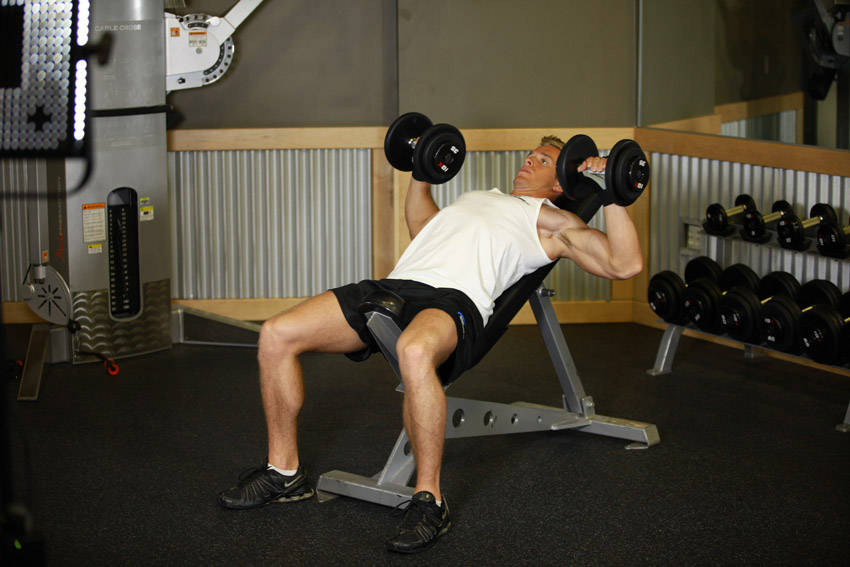
Incline DB Press
3
10–12
60 sec
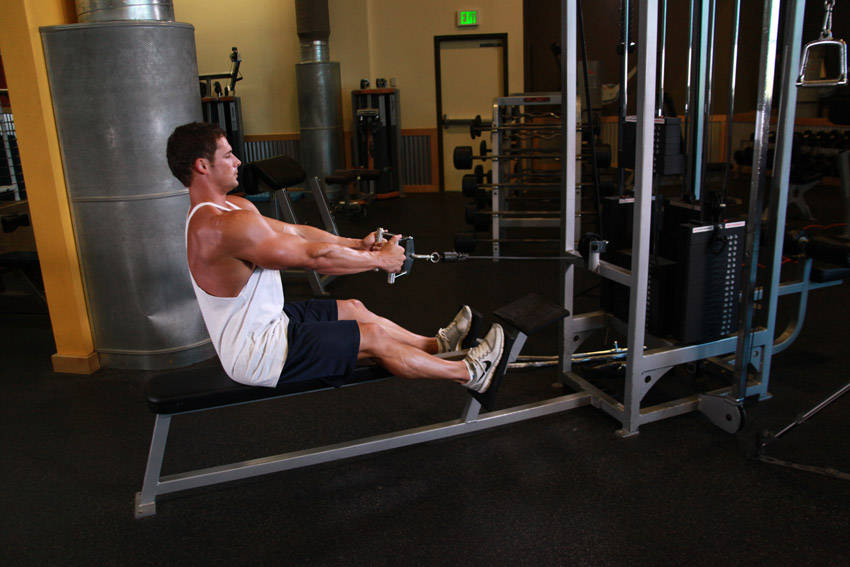
Cable Row or DB Row
3
10–12
60 sec
Walking Lunges
3
10 each leg
60 sec
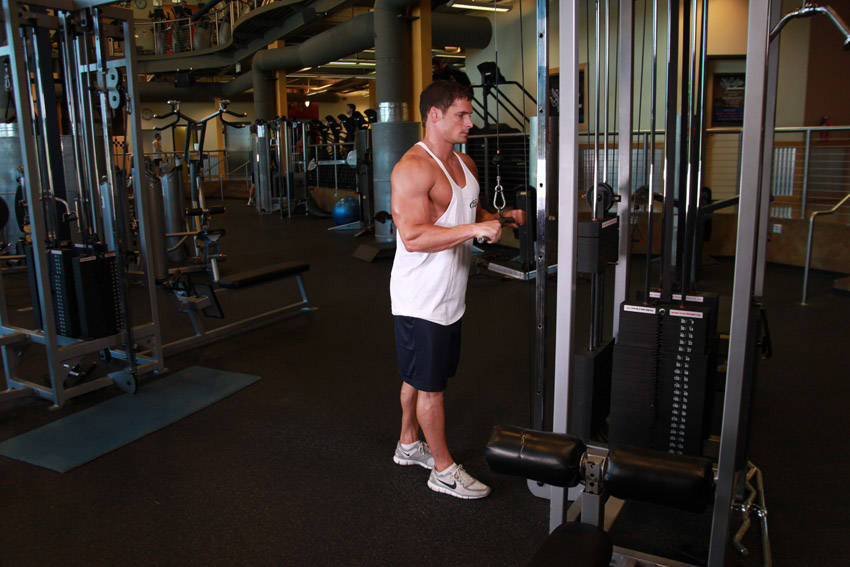
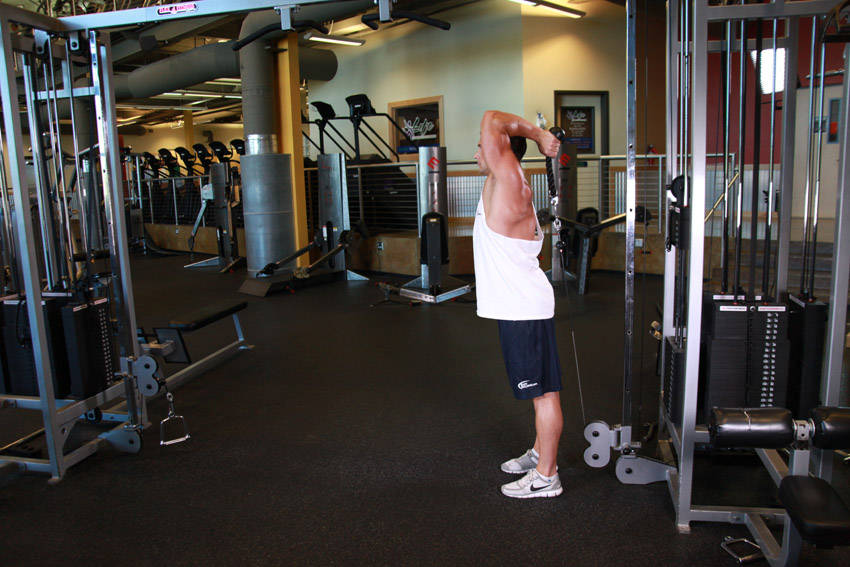
Tricep Pushdown
3
12
60 sec
📈 Progression: Add 5 lbs or 1–2 reps each week whenever you complete all sets cleanly.
Intermediate Program
4 Days/Week · Upper/Lower Split · ~55–60 min
Schedule: Mon / Tue / Thu / Fri — Wednesday and weekends = rest or light cardio.
Day 1 — Upper Body A (Push Focus)
Exercise
Sets
Reps
Rest
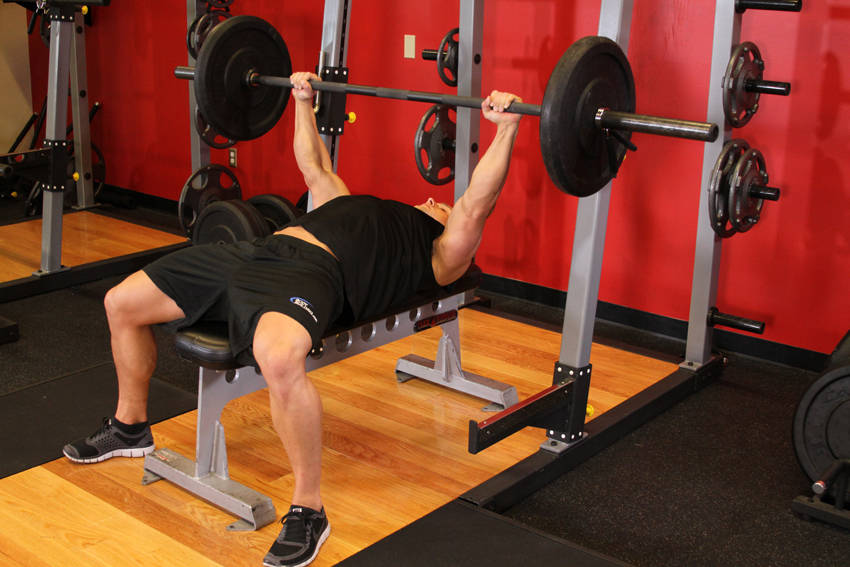
Barbell Bench Press
4
6–8
90 sec
Incline DB Press
3
10–12
60 sec
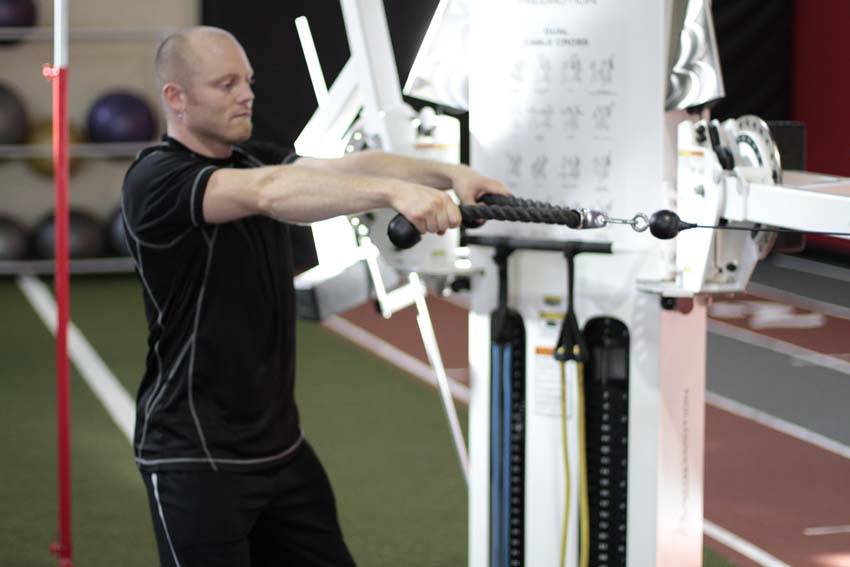
Cable Lateral Raise
3
12–15
45 sec
Tricep Rope Pushdown
3
12
45 sec
Overhead Tricep Extension
3
12
45 sec
Day 2 — Lower Body A (Quad Focus)
Exercise
Sets
Reps
Rest
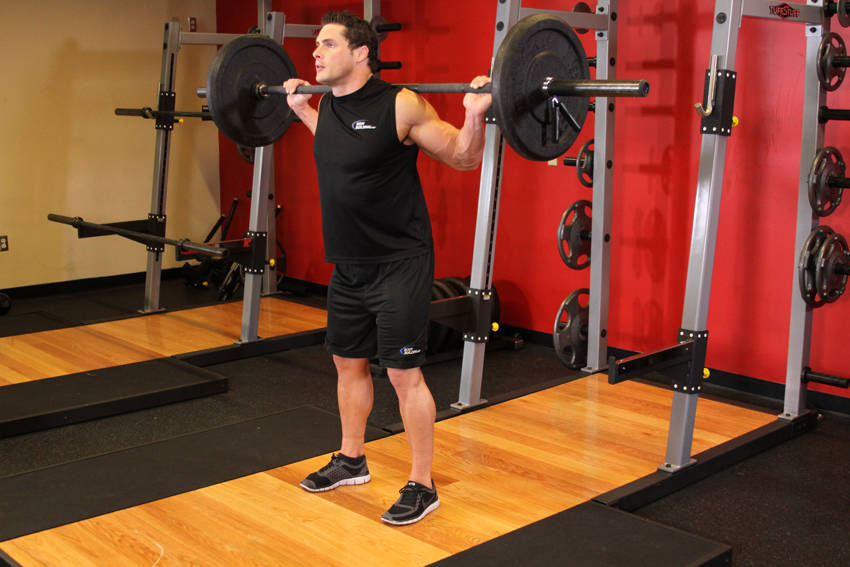
Barbell Back Squat (or Leg Press)
4
6–8
90 sec
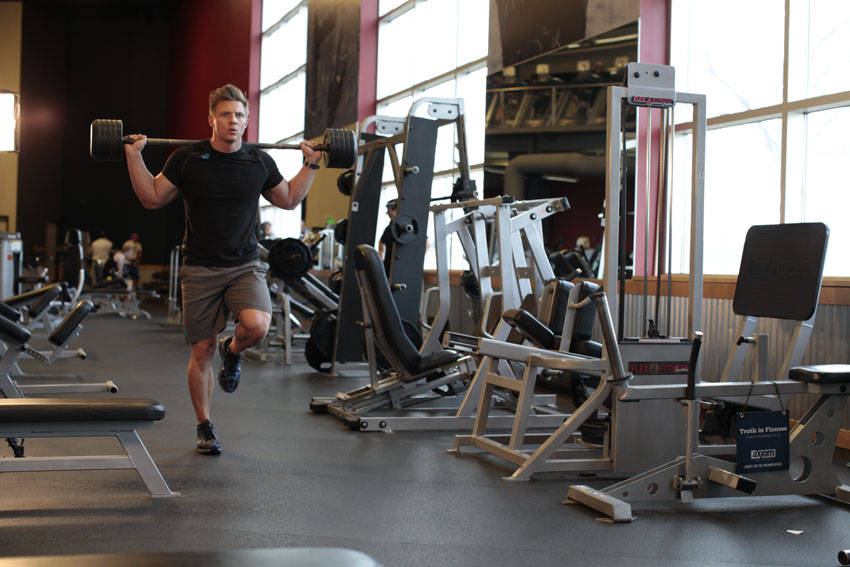
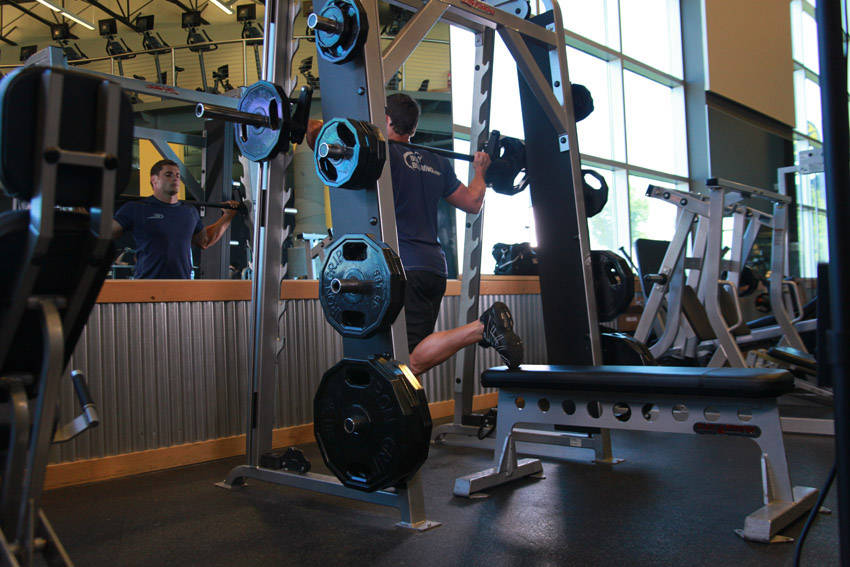
Bulgarian Split Squat
3
8–10 each
60 sec
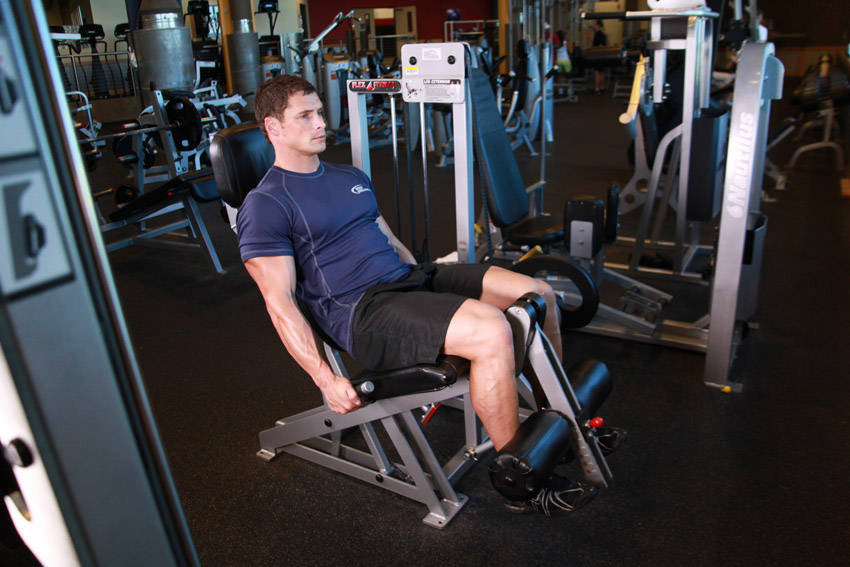
Leg Extension
3
12–15
45 sec
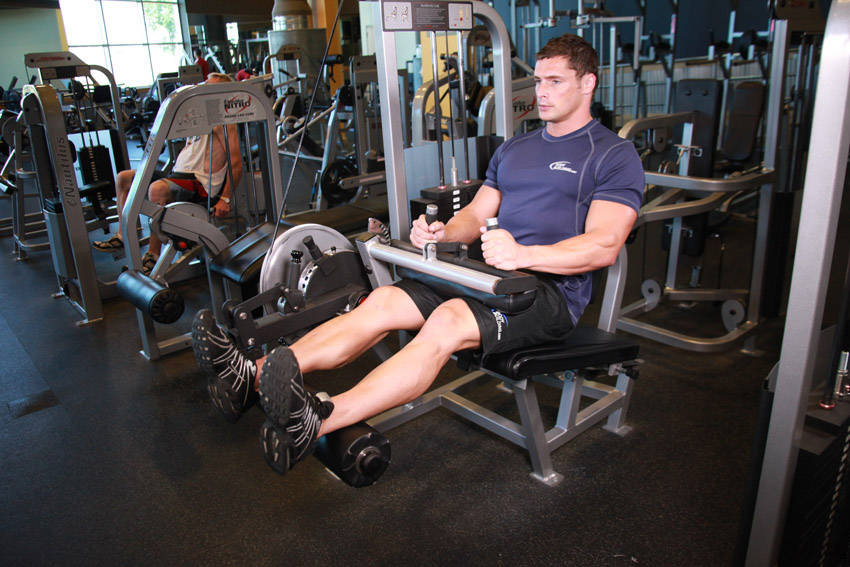
Leg Curl
3
12–15
45 sec
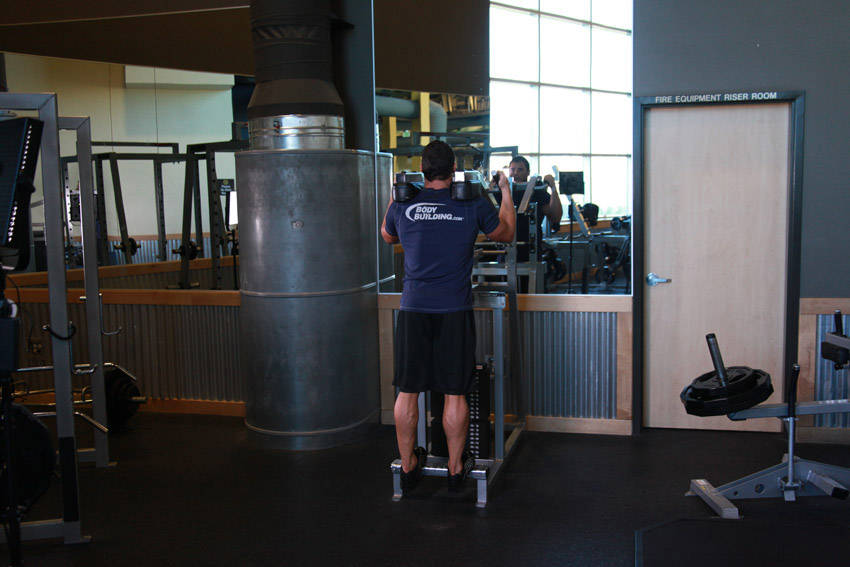
Standing Calf Raise
4
15
45 sec
Day 3 — Upper Body B (Pull Focus)
Exercise
Sets
Reps
Rest
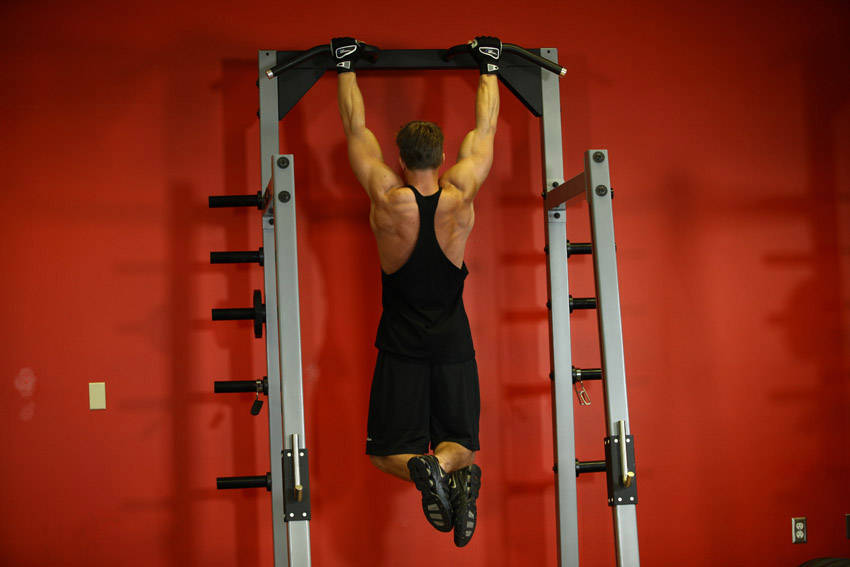
Pull-Up or Lat Pulldown
4
6–10
90 sec
Seated Cable Row
3
10–12
60 sec
DB Row (each arm)
3
10–12
60 sec
Face Pull
3
15
45 sec
Barbell or DB Curl
3
12
45 sec
Hammer Curl
3
12
45 sec
Day 4 — Lower Body B (Posterior Chain)
Exercise
Sets
Reps
Rest
Romanian Deadlift
4
8–10
90 sec
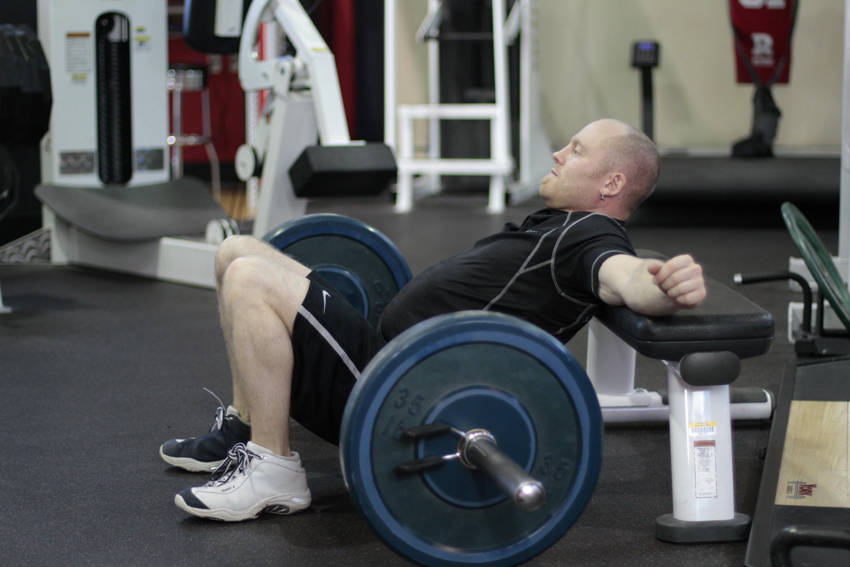
Hip Thrust
3
10–12
60 sec
Walking Lunge
3
10 each
60 sec
Leg Curl
3
12–15
45 sec
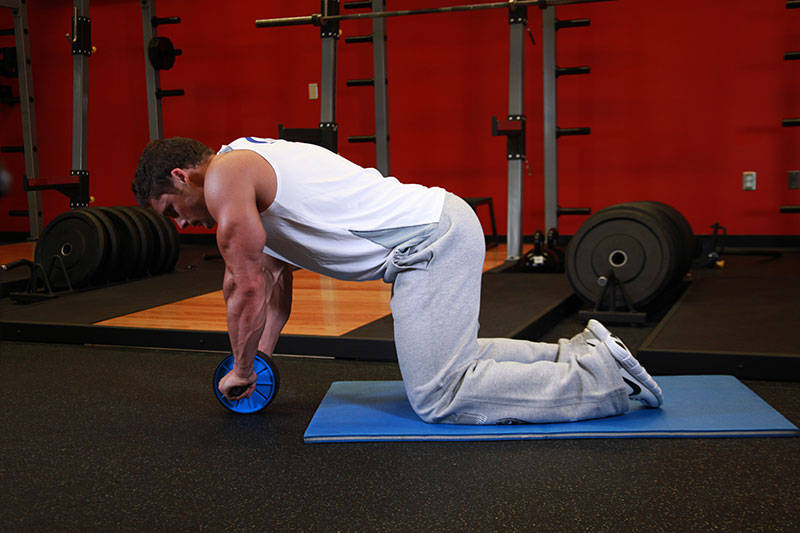
Ab Wheel or Plank
3
10 / 40 sec
45 sec
📈 Progression: Add 5 lbs (lower body) or 2.5 lbs (upper body) when you complete all sets with 1–2 reps left in the tank.
Cardio (Both Levels)
Keep cardio light while your nutrition is reduced. Walking is your best friend right now.
Target: 7,000–10,000 steps per day
Optional: 20–30 min low-intensity cardio on non-training days (bike, elliptical, incline walk)
Avoid: Long, intense cardio — accelerates muscle breakdown in a deficit
Page 04 — Nutrition Guidelines
Nutrition on GLP-1s & Peptides
How to fuel your body when you're never hungry.
⚠️ The most common problem: Patients aren't eating enough protein. Not because they're lazy — because the medication works. Appetite is gone. A few bites and you're full. It's easy to go all day on 800–1,000 calories without realizing it.
The #1 Rule: Protein First, Every Meal
Before anything else — protein. Not after the carbs. Not on the side. First. When appetite is limited, every bite counts.
How Much Protein Do You Need?
Target: 0.7 to 1.0 grams of protein per pound of bodyweight per day
Your BodyweightDaily Protein Target
150 lbs105 – 150g
175 lbs122 – 175g
200 lbs140 – 200g
225 lbs157 – 225g
250 lbs175 – 250g
Start at the lower end (0.7g/lb) and work up as your appetite allows.
Best Protein Sources for Low-Appetite Phases
Food
Protein
Greek yogurt (plain, non-fat) — per cup
17–20g
Cottage cheese — per cup
25g
Chicken breast — per 4oz
30g
Canned tuna or salmon — per can
25g
Eggs + egg whites — per egg / per white
6g / 5g
Shrimp — per 4oz
25g
Extra lean ground beef or turkey — per 4oz
25–28g
Deli turkey breast — per 2oz
10g
Protein shake — per serving
25–30g
💡 Pro tip: A protein shake is your best friend on days when eating feels impossible. 25–30g of protein in 8oz of liquid. Drink it even when you're not hungry.
Sample Day — 175 lb Person (125g Target)
☀️ Morning — Protein shake + 2 eggs~45g
🌤️ Midday — 4oz grilled chicken + side of choice~30g
🍽️ Snack (if needed) — Greek yogurt or string cheese~15–20g
Total~130–135g ✅
Don't Forget These
💧 Hydration
GLP-1s can cause dehydration. Aim for half your bodyweight in ounces of water per day. Add electrolytes if fatigued or getting headaches.
💊 Supplements
Vitamin D3 (2,000–5,000 IU/day)
Omega-3 fish oil (1–2g EPA/DHA)
Magnesium glycinate (300–400mg at night)
Creatine monohydrate (5g/day)
Page 05 — About Nick
Meet Nick Kempen @GLPNick
Your clinic handles the medical side. I handle the fitness side. Together, you get the full picture.
Nick Kempen
Fitness and health specialist, certified fitness coach, and founder of NLCFitness / GLPNick. Coaching in Miami since 2004. 25+ years in the fitness industry.
Most people starting a GLP-1 or peptide protocol get handed a prescription and a food list. Nobody gives them a training program. Nobody explains what's happening to their muscle. Nobody tells them how to eat when they have zero appetite.
I built this resource because that gap was costing people their results. You deserve better than that.
If you want a program specifically built around your body, your goals, and your schedule — see the next page.
Page 06 — Go Deeper
Ready to Go Further?
Get a program built specifically for you — not just for patients like you.
Every person's situation is different. Your starting point, schedule, equipment, energy levels, medication, goals — all of that matters. A general protocol can only take you so far.
What a Personalized Program Looks Like
🏋️ A Training Program Built Around You
Your specific goals (fat loss, muscle building, body recomposition)
Your schedule and equipment
Any limitations — joint issues, injuries, fitness history
Adjusted based on how your body is actually responding
🥩 A Nutrition Strategy for Your Situation
Protein targets specific to your bodyweight and goals
Meal structure that fits your lifestyle and appetite levels
Supplement recommendations based on what you're running
📊 Accountability and Progression
Regular check-ins to track progress
Program adjustments as you get stronger
Someone to answer questions a general guide can't
🎯 Clarity on Your Full Picture
How your training and nutrition interact with your medication
What to expect at different stages of your protocol
How to transition as your dose changes or if you cycle off
What Clients Say
"I'd been on semaglutide for 4 months and felt weaker every week. Nick built me a program and told me exactly what to eat. Three months later I'm 22 lbs down and actually stronger than when I started."
"I was losing weight but losing muscle too — I could feel it. Coach Nick fixed that within the first 6 weeks."
"The general guide was great. The custom program was a completely different level."
The medication is doing its job.
Let's make sure your training and nutrition are doing theirs. No hard sell. No pressure. Just a real conversation about whether it makes sense.
Monthly education, real talk, and practical tips — straight from me to you.
Hey — I'm Nick.
Fitness and health specialist, fitness coach, GLP-1 specialist, and the guy your clinic trusted to be in your corner while you're on this journey. I've been coaching in Miami for 25+ years, and I've worked with hundreds of people navigating exactly what you're going through right now.
First — welcome. The fact that you're here means you're taking this seriously, and that already puts you ahead of most people on GLP-1s and peptides.
This newsletter shows up every month inside this portal. No spam, no fluff — just the things I actually want you to know that month. Practical. Honest. Straight to the point.
Let's get into it.
What to Expect on GLP-1s & Peptides
A lot of patients come to me confused — not because the medication isn't working, but because nobody told them what "working" actually looks like in the beginning. Here's what's normal:
📉 First 2–4 Weeks
Appetite drops significantly
Scale may move quickly (mostly water + glycogen)
Nausea is common, especially after eating
Energy may dip — that's normal
📈 Weeks 4–12
Appetite stays suppressed — this is your window
Fat loss accelerates if protein + training are dialed
Side effects typically ease up
Strength gains possible if you're training right
The most important thing I can tell you: The medication is creating the caloric deficit. Your job is to make sure what you do lose is fat — not muscle. That's exactly what this portal is here to help you do.
On Peptides Specifically (CJC-1295, Ipamorelin, AOD-9604, etc.)
Peptides work differently than GLP-1s — they don't suppress appetite the same way. What they do is stimulate your body's own growth hormone production, which supports fat metabolism, muscle preservation, and recovery. But here's the thing people miss:
Peptides need a stimulus to work. That stimulus is resistance training. Without it, you're spending money on medication and leaving the results on the table.
Managing Nausea & GI Side Effects
This is the #1 complaint I hear in the first 4–6 weeks. Nausea, upset stomach, bloating, constipation — it's real and it's frustrating. Here's what actually helps:
🤢 For Nausea
Eat slow. GLP-1s slow gastric emptying. Eating too fast = food sitting in your stomach = nausea. Small bites, chew thoroughly, take your time.
Smaller portions, more often. A large meal on GLP-1s is a recipe for nausea. Aim for 3–4 small meals instead of 2 big ones.
Avoid high-fat, fried, or heavily seasoned food in the early weeks — these are the hardest for your stomach to process.
Ginger. Ginger tea, ginger chews, ginger supplements — all legitimately help with nausea. Keep some on hand.
Time your injection. Some people do better injecting at night so the worst of the nausea hits while they're sleeping.
🚽 For GI Upset / Constipation
Fiber — but go easy at first. Increase fiber gradually. Too much too fast makes GI issues worse. Add one high-fiber food at a time: leafy greens, berries, oats.
Hydration is non-negotiable. Constipation on GLP-1s is almost always made worse by dehydration. See the section below.
Magnesium glycinate (300–400mg at night) helps significantly with GI motility and doesn't cause the cramping that magnesium citrate can.
Move your body. Even a 20-minute walk stimulates gut motility. This is another reason why I push walking so hard.
Probiotics — a basic daily probiotic can help stabilize your gut microbiome while your GI tract adjusts.
⚠️ When to call your clinic: If nausea is severe and persistent past week 6, if you can't keep food or water down, or if you're experiencing significant GI pain — contact your provider. Don't just push through it.
Protein — Don't Skip It
I know you're not hungry. I know three bites and you're full. I know the last thing you want to think about is hitting a protein number.
But this is the most important thing I'll say in this entire newsletter: if you don't prioritize protein, you will lose muscle on this medication. And losing muscle slows your metabolism, makes you weaker, and sets you up for weight regain the moment the medication changes.
🎯 Your target: 0.7–1.0g of protein per pound of bodyweight, every day.
Start with the lower end. When appetite is low, even hitting 0.7g/lb is a win. Build from there.
The move when you're not hungry: Liquid protein. A protein shake takes 60 seconds to drink and gets you 25–30g. It doesn't require appetite. It doesn't require cooking. It just works. Use it.
Hydration — More Important Than You Think
Here's something most patients don't connect: dehydration makes every GLP-1 side effect worse. Nausea, fatigue, headaches, constipation, brain fog — all of it is amplified when you're not drinking enough water.
💧 The Simple Rule
Half your bodyweight in ounces of water per day. So if you weigh 200 lbs, that's 100 oz — roughly 3 liters.
Feeling fatigued or getting headaches? Add electrolytes. A zero-sugar electrolyte packet (LMNT, Liquid IV, or even just a pinch of sea salt + squeeze of lemon in your water) makes a noticeable difference for many patients.
Start Moving — Even If It's Just Walking
I'm not going to tell you to run a 5K this week. I'm going to tell you to walk.
Walking is underrated on every level. It improves insulin sensitivity, supports fat oxidation, stimulates gut motility, clears your head, and on GLP-1s — it makes the medication work better. And it's not hard on a depleted body.
🚶 Your Movement Goal This Month
Target 7,000–10,000 steps per day. Don't hit that yet? Start wherever you are and add 500 steps per week.
After meals is prime time. A 10–15 minute walk after eating helps with digestion and blood sugar.
Ready for more? Head to the Training Protocol tab and pick your level. Three sessions per week of resistance training is what protects your muscle. Start there.
📬 Next Month in the Newsletter: How to structure your meals when you have almost no appetite — and the exact meal framework I give clients in months 2 and 3 of their GLP-1 protocol.
Questions? Just Ask.
This portal is a starting point. If you have a specific question about your training, nutrition, or what you're feeling on your medication — reach out. I read every message.